Environmental Sustainability
At Prodeco, we firmly believe that nature plays a vital role in improving people’s health. That is precisely why we are committed to being mindful of this and incorporating waste-reduction initiatives that can make a positive and lasting contribution.
Care for the EARTH
Il ProdeBosco
The idea and its origins
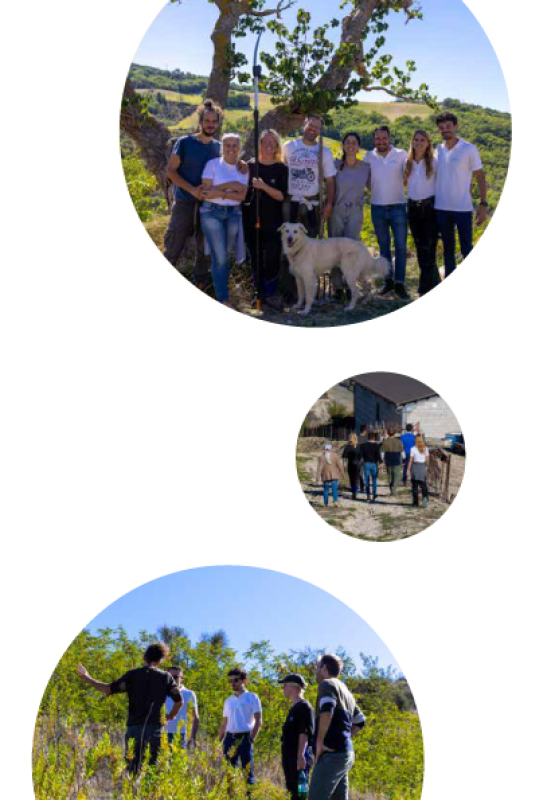
A socio-environmental project aimed at the environmental restoration of a plot of land situated within an industrial area, which we have decided to dedicate to the wellbeing of the community and the environment. The area had been the subject of constant dumping of rubbish and litter of all kinds. This gave rise to the idea of ‘ProdeBosco’, a small lowland woodland open to everyone who wishes to enjoy a breath of fresh air, find shelter from the summer heat or immerse themselves in nature for a few moments to rest. Thanks to the collaboration of many organisations and the implementation of numerous projects, ProdeBosco continues to take shape today.
Rejuvenate your breath, nurture the future!
The Magnus Lucus Project
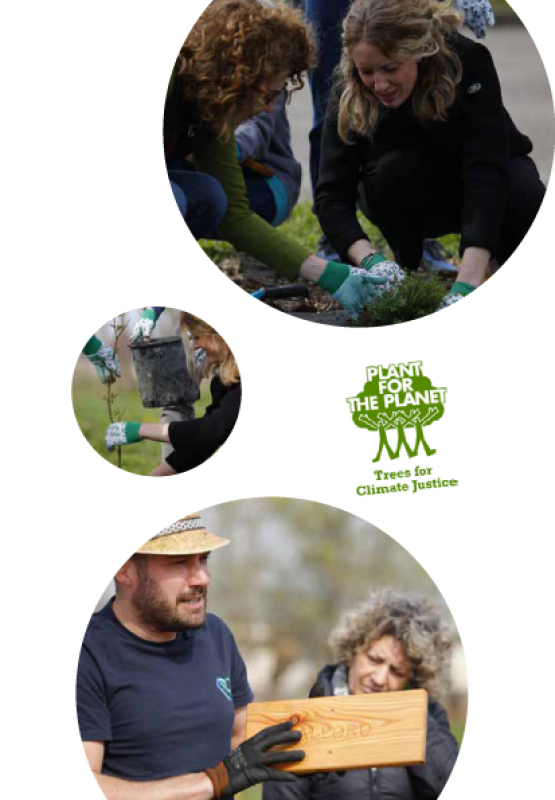
In collaboration with PLANT-FOR-THE-PLANET ITALIA ODV and thanks to the participation of 1,000 of our client retail outlets in the project, we have rehabilitated approximately half a hectare of degraded agricultural land in Oppido Lucano (PZ), actively supporting the Magnus Lucus project, which is dedicated to the restoration of natural habitats in Southern Italy. This project combines environmental action with social value for all those working on the plot, through opportunities for sharing, raising awareness and training aimed at local residents. The aim is to reduce the phenomenon of desertification which, particularly in recent years, has been advancing from North Africa at an unprecedented rate. Thanks to a different approach to soil management – in contrast to current conventional agricultural practices – just as with our own bodies, it is possible to influence the soil microbiome to create the right habitat capable of promoting regeneration and biodiversity and, consequently, natural reforestation, ultimately leading to self-sustainability.
FSC-certified paper
Another measure is to choose paper sourced from responsibly managed forests, in accordance with strict environmental, social and economic standards, recognised by the FSC® label.
- All our product boxes are FSC®-certified.
- For secondary packaging, fillers and adhesive tape, we use FSC®-certified boxes.
- Most of our marketing materials (brochures, leaflets, etc.) are made from FSC®-certified paper.
Care for the SEA
Fishing for Litter
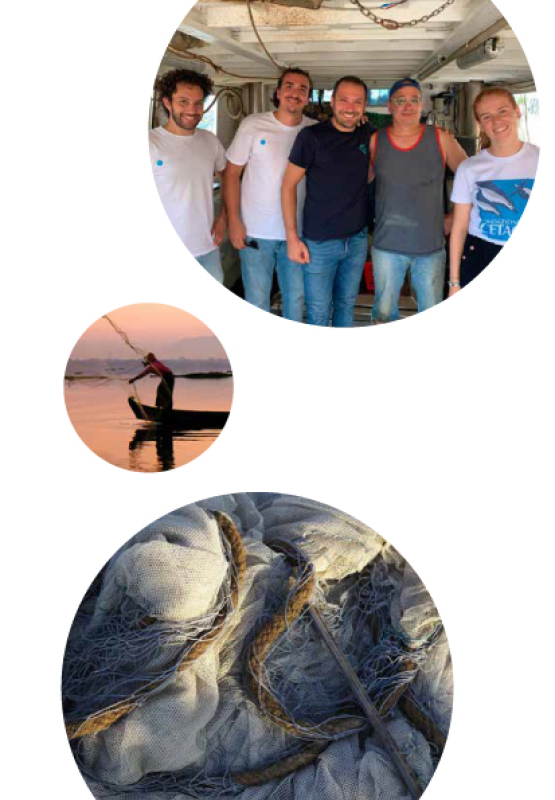
The Fishing for Litter project involves fishing and collecting litter from the sea, and is managed and co-ordinated by Sea the Change. The activities take place along the Romagna coast, a stretch of coastline with a high concentration of tourists and various factors placing stress on the marine environment. One of these is undoubtedly the discharge of vast quantities of litter into the sea, particularly plastic. Thanks to our collaboration with Sea the Change, we have invested in this initiative to protect and care for the Adriatic Sea, which has directly involved the local community, bringing tangible social and environmental benefits. The initiative involves a fishing boat making trips out to sea to clear the seabed of litter. Thanks to this effort, it has been possible to collect items of varying materials, sizes and weights from the sea. This litter is weighed and catalogued, thereby helping to increase the volume of data available to the scientific community on the global problem of marine litter.
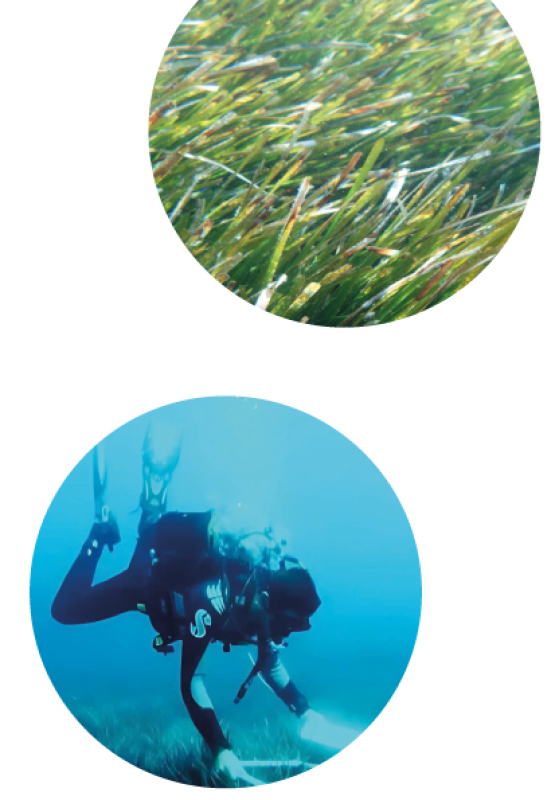
Project Poseidon
Thanks to our collaboration with Sea the Change and Anellides, we have developed this project with the aim of mapping, monitoring and protecting Posidonia oceanica seagrass beds whilst safeguarding their biodiversity. It was carried out in collaboration with our Spanish office in the Posidonia oceanica seagrass beds along the coast of Mataró (Barcelona).
What is involved:
Mapping the area in question by surveying underwater seagrass beds, collecting data on biodiversity and the characteristics of the seagrass beds, entering data into the open-source MINKA platform (a citizen science platform), incorporation of the mapping into nautical charts for sailors, monitoring of the meadows in the following months and analysis of the positive impact. The results confirm just how vital Posidonia oceanica meadows are for biodiversity and the balance of coastal ecosystems.